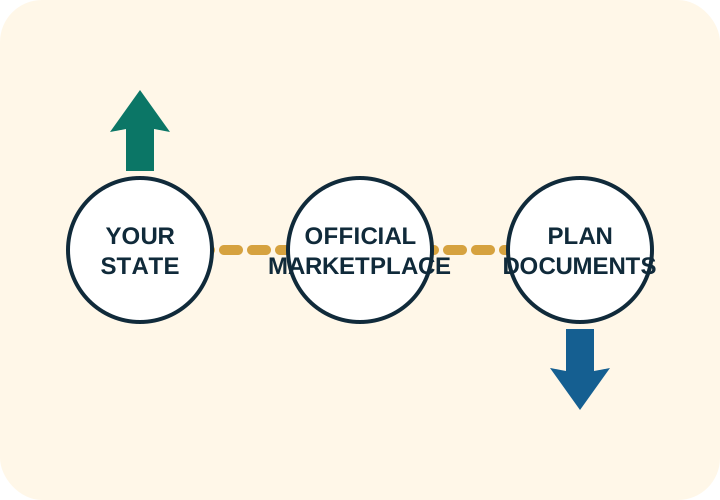
Use the official state application and written notice; eligibility, benefits, and managed-care arrangements vary by state.
Updated October 22, 2026Educational, not a quotePrimary-source links included
Medicaid is a joint federal-state program providing health coverage to eligible people under state rules within federal requirements. Eligibility categories, income methodology, benefits, delivery systems, and renewal processes can vary.
Applications are accepted throughout the year. Use the official state or Marketplace route, respond to requests for information, and keep the decision notice. If enrolled through a managed-care plan, compare provider network, prescriptions, transportation or other benefits, and plan-selection deadlines using state materials.
Verification checklist
Collect the controlling facts
Official state Medicaid application
Household, residency, income, and category facts requested
Written eligibility decision
Managed-care plan selection when applicable
Provider and prescription access
Renewal, reporting, and appeal instructions
Reusable process
Turn information into a dated record
Start at the responsible official source. Confirm the program, plan, Marketplace, or agency that controls the question.
Match identity and date. Use the exact plan, coverage year, notice, person, service area, or program record.
Write unknowns as unknown. Ask the responsible organization instead of filling a gap with a national average.
Keep the documents. Save the current notice, policy, result, reference number, and the date checked.
When this topic needs another check
Review the official source again when the plan year changes, the household moves, eligibility facts change, a new notice arrives, a provider or prescription changes, or an important service is planned. Saved web pages and directories are dated evidence, not permanent promises. Keep new records beside the earlier version so a change is visible.
Use current evidence
Turn Medicaid coverage into a verifiable decision
Define the household, location, plan year, and enrollment route before applying general guidance. A useful comparison records state eligibility agency, household facts, renewal notices, effective date, and Marketplace coordination.
Save official source URLs and the date checked. If an eligibility, tax, legal, or medical question changes the decision, confirm it with the responsible agency or a qualified professional rather than relying on a general article.
Check the page against a current, plan-specific record
General information becomes actionable only after it is matched to the same household, address, enrollment route, and plan year. Keep unknown values visible instead of filling them with estimates.
Identify the exact option
Record the legal issuer or responsible program, full plan or arrangement name, plan ID when available, service area, effective dates, and official source. Similar product names can use different networks, formularies, costs, or coverage rules.
Compare a complete scenario
Use the same expected services, prescriptions, provider needs, and household facts for each option. Put premium, employer contribution or tax credit, deductible, copays, coinsurance, prescription cost, and the in-network out-of-pocket limit on the same annual basis.
Keep evidence with the decision
Save the Summary of Benefits and Coverage, policy documents, provider directory, formulary, source URL, date checked, and unresolved questions. Confirm eligibility, enrollment, provider participation, and time-sensitive rules through the responsible Marketplace, employer, insurer, provider, pharmacy, or qualified professional before acting.
Verification links
Primary sources
Primary sources checked August 11, 2026. Follow the current official record for an individual decision.