Texas
Use HealthCare.gov and verify service area, network, and multi-region access.
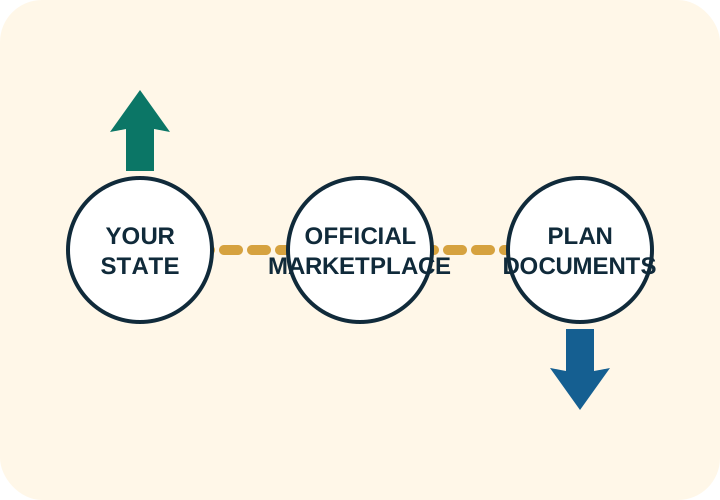
State route first · Plan evidence second
The state determines the official route; the live plan evidence determines the comparison.
Use the state only to find the official enrollment route. Then compare the live plan set for the exact address. Even within a state, counties can have different issuers, networks, premiums, and plan designs.
A useful “best” test is evidence-based: eliminate plans that fail essential provider or prescription checks, compare total cost under transparent scenarios, and review the in-network protection boundary.
Evidence hierarchy
Observed state interest
These state routes connect the official Marketplace with plan-document, network, and cost checks.
Use HealthCare.gov and verify service area, network, and multi-region access.
Use Virginia's official Marketplace route and current state records.
Use Washington Healthplanfinder and verify plan-specific provider access.
Use the official Marketplace result for the address and compare exact plan documents.
Use Get Covered New Jersey and confirm local plan availability.
Use kynect and keep plan year, network, and savings records together.
Practical next step
Find a strong health plan fit by state is most useful when the household, location, plan year, and enrollment route are defined. Keep the exact plan name or program, official source, date checked, and any unresolved question together.
Compare costs, provider access, prescriptions, coverage rules, and protection limits before acting. Confirm eligibility and enrollment through the responsible official or authorized channel.
Verification record
General information becomes actionable only after it is matched to the same household, address, enrollment route, and plan year. Keep unknown values visible instead of filling them with estimates.
Record the legal issuer or responsible program, full plan or arrangement name, plan ID when available, service area, effective dates, and official source. Similar product names can use different networks, formularies, costs, or coverage rules.
Use the same expected services, prescriptions, provider needs, and household facts for each option. Put premium, employer contribution or tax credit, deductible, copays, coinsurance, prescription cost, and the in-network out-of-pocket limit on the same annual basis.
Save the Summary of Benefits and Coverage, policy documents, provider directory, formulary, source URL, date checked, and unresolved questions. Confirm eligibility, enrollment, provider participation, and time-sensitive rules through the responsible Marketplace, employer, insurer, provider, pharmacy, or qualified professional before acting.
Verification links